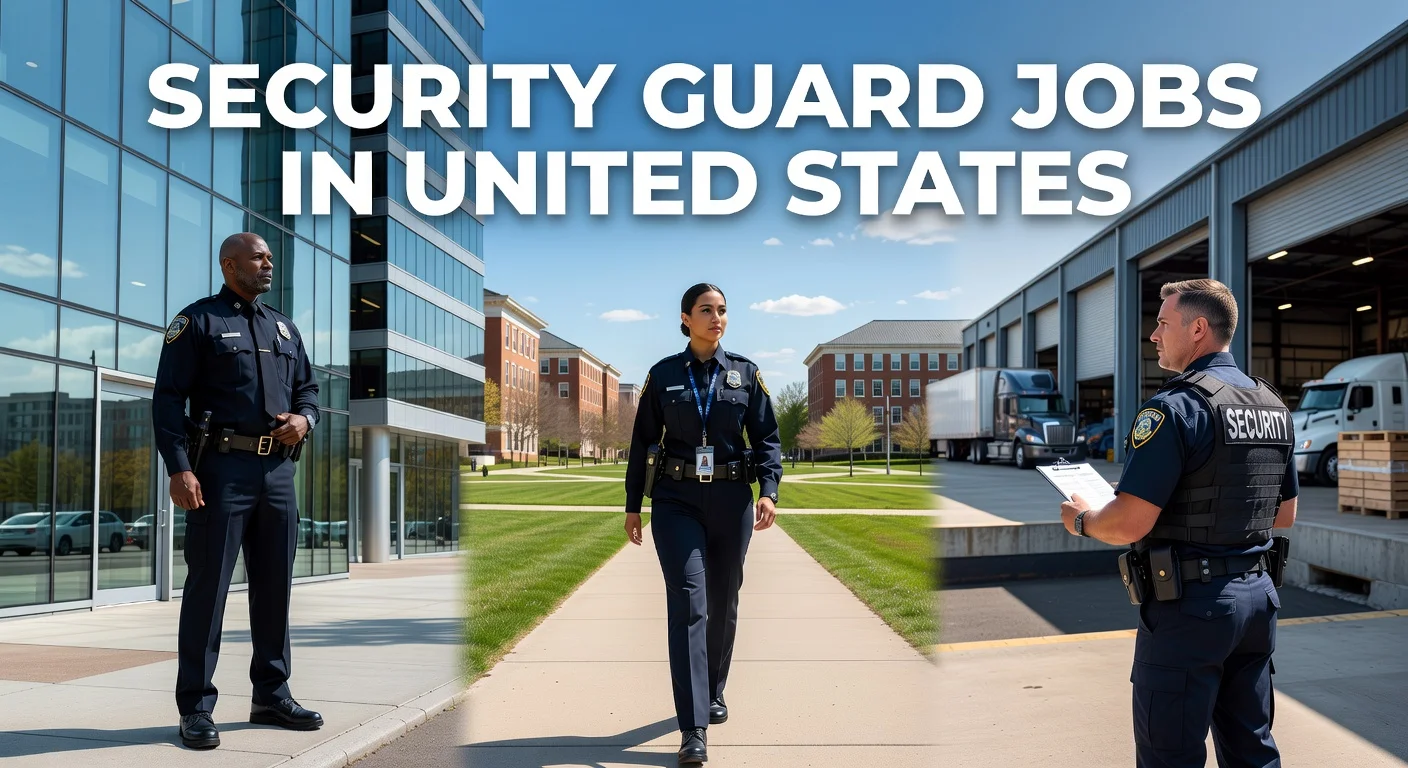
Security Guard Jobs in the United States: A Comprehensive Guide
Security guard jobs are in high demand across the United States, offering stable employment opportunities for individuals seeking to protect people, property, and assets. With a growing need for safety in various sectors, including retail, healthcare, education, and corporate environments, the role of a security guard has become increasingly vital. This guide explores the ins and outs of security guard jobs in the US, including job responsibilities, requirements, salary expectations, and career growth opportunities.
What Are Security Guard Jobs?
Security guard jobs involve protecting individuals, businesses, and properties from threats such as theft, vandalism, and violence. Security guards are employed in a variety of settings, including shopping malls, office buildings, schools, hospitals, and event venues. Their primary goal is to ensure safety by monitoring surroundings, enforcing rules, and responding to emergencies.
Depending on the job, security guards may work during the day, night, or in rotating shifts. Some positions require armed guards who carry firearms, while others are unarmed roles focused on observation and reporting.
Key Responsibilities of a Security Guard
Security guards have a wide range of duties depending on their specific role and workplace. Common responsibilities include:
- Monitoring surveillance systems and patrolling assigned areas to detect suspicious activity.
- Controlling access to buildings by checking identification and issuing visitor passes.
- Responding to alarms, emergencies, or disturbances and taking appropriate action.
- Writing detailed reports of incidents, observations, and activities during shifts.
- Enforcing rules and regulations to maintain order and safety on the premises.
Requirements for Security Guard Jobs in the United States
While the requirements for security guard jobs can vary by state and employer, there are some general qualifications and skills needed to enter the field:
- Minimum Age and Education: Most states require security guards to be at least 18 years old (21 for armed positions) and have a high school diploma or equivalent.
- Licensing: Many states mandate that security guards obtain a license or certification. This often involves completing a training program and passing a background check.
- Physical Fitness: The job may require standing or walking for long periods, so physical stamina is important.
- Communication Skills: Security guards must be able to communicate effectively with coworkers, clients, and the public.
- Training for Armed Guards: Armed security guards must complete additional firearms training and obtain the necessary permits.
Salary and Job Outlook for Security Guards in the US
According to the U.S. Bureau of Labor Statistics (BLS), the median annual wage for security guards in the United States was approximately $31,470 as of recent data, though this can vary widely based on location, experience, and whether the guard is armed. Security guards in metropolitan areas or high-risk environments often earn higher wages.
The job outlook for security guards is promising, with the BLS projecting steady growth in employment over the next decade. The increasing focus on public safety and the need for private security in various industries contribute to this demand.
Types of Security Guard Jobs
Security guard roles can differ significantly based on the industry and level of responsibility. Some common types include:
- Retail Security Guards: Protect stores and malls from shoplifting and disturbances.
- Corporate Security Guards: Safeguard office buildings and employees, often managing access control.
- Event Security Guards: Ensure safety at concerts, sports events, and large gatherings.
- Hospital Security Guards: Maintain order in medical facilities and protect staff and patients.
- Armed Security Guards: Work in high-risk areas and carry weapons for added protection.
How to Find Security Guard Jobs in the US
Finding a security guard job in the United States is relatively straightforward, thanks to the variety of online job boards and company websites. Popular platforms like Indeed, Monster, and LinkedIn often list openings for both entry-level and experienced positions. Additionally, many security companies, such as Allied Universal and Securitas, regularly hire guards and provide training programs.
Networking with professionals in the industry and attending job fairs can also help uncover opportunities. Some states have specific resources or agencies that assist with licensing and job placement for security guards.
Career Growth and Advancement Opportunities
Starting as a security guard can open doors to various career paths in the security and law enforcement fields. With experience and additional training, security guards can advance to roles such as:
- Security Supervisor or Manager
- Loss Prevention Specialist
- Private Investigator
- Law Enforcement Officer
Obtaining certifications in areas like CPR, first aid, or advanced security training can further enhance career prospects and earning potential.
Challenges and Rewards of Being a Security Guard
Working as a security guard can be both challenging and rewarding. Guards often face unpredictable situations and may need to work long hours, including nights and weekends. However, the role offers a sense of purpose by contributing to the safety of others and provides a stepping stone to other careers in security and public safety.
Conclusion
Security guard jobs in the United States offer a viable career option for individuals interested in protecting others and maintaining safety. With minimal entry barriers, a stable job outlook, and opportunities for advancement, this field is worth considering for job seekers. Whether you’re looking for an entry-level position or aiming to build a long-term career in security, the industry has something to offer for everyone.