Plumber Jobs in South Africa: A Comprehensive Guide to Opportunities and Growth
South Africa’s growing construction and infrastructure sectors have created a steady demand for skilled tradespeople, with plumber jobs being among the most sought-after roles. Whether you’re an experienced plumber or someone looking to enter the trade, the opportunities in South Africa are vast. This guide explores the landscape of plumber jobs in South Africa, including qualifications, salary expectations, job prospects, and tips for securing employment.
Why Plumber Jobs Are in Demand in South Africa
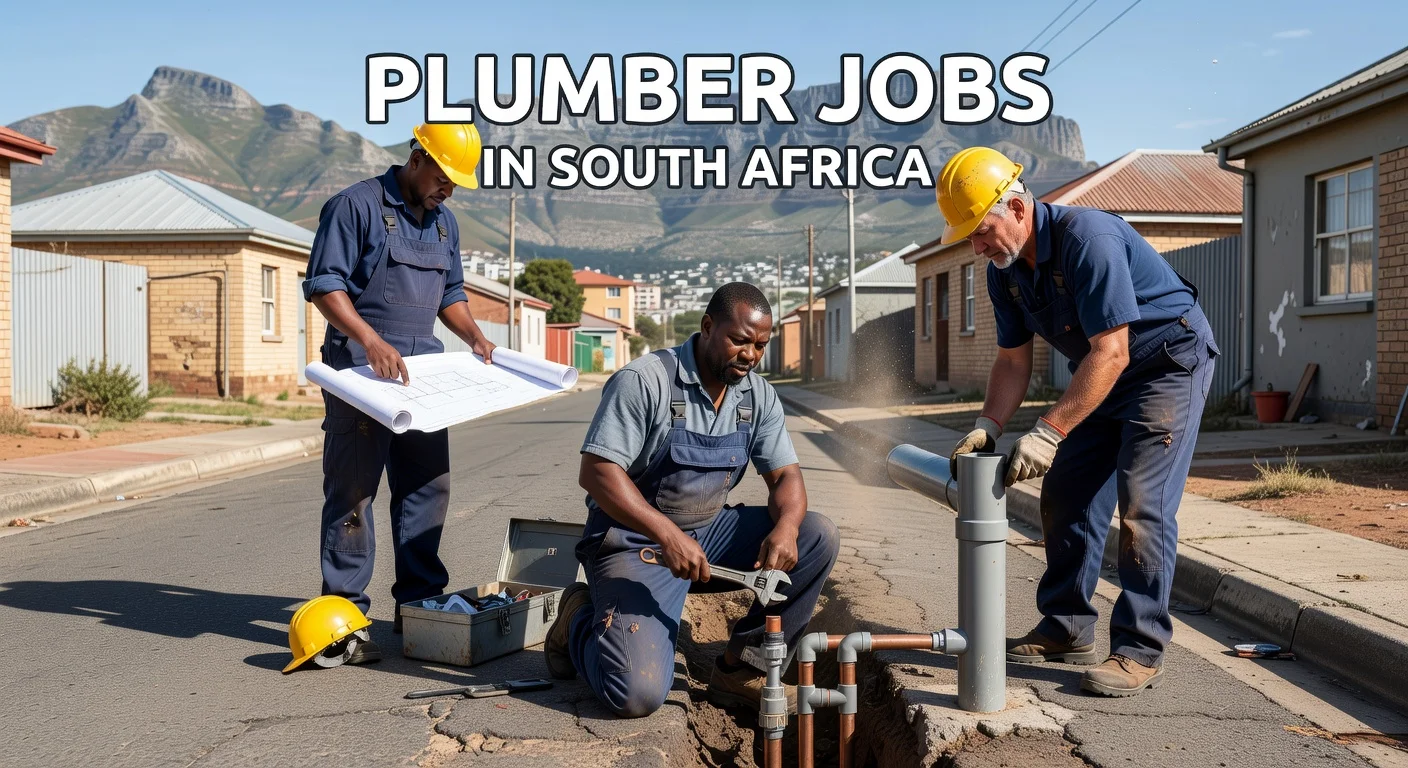
The need for plumbers in South Africa is driven by rapid urbanization, population growth, and ongoing infrastructure projects. From residential developments to large-scale commercial constructions, plumbers play a critical role in ensuring proper water supply, sanitation, and drainage systems. Additionally, the government’s focus on addressing water scarcity and improving sanitation in rural areas has further increased the demand for skilled plumbers.
Plumber jobs are also considered recession-resistant. Regardless of economic conditions, plumbing services are essential for maintenance, repairs, and new installations. This stability makes plumbing a promising career choice for many South Africans.
Types of Plumber Jobs Available in South Africa
Plumbing offers a variety of specializations and job roles, catering to different skill levels and interests. Here are some of the most common types of plumber jobs in South Africa:
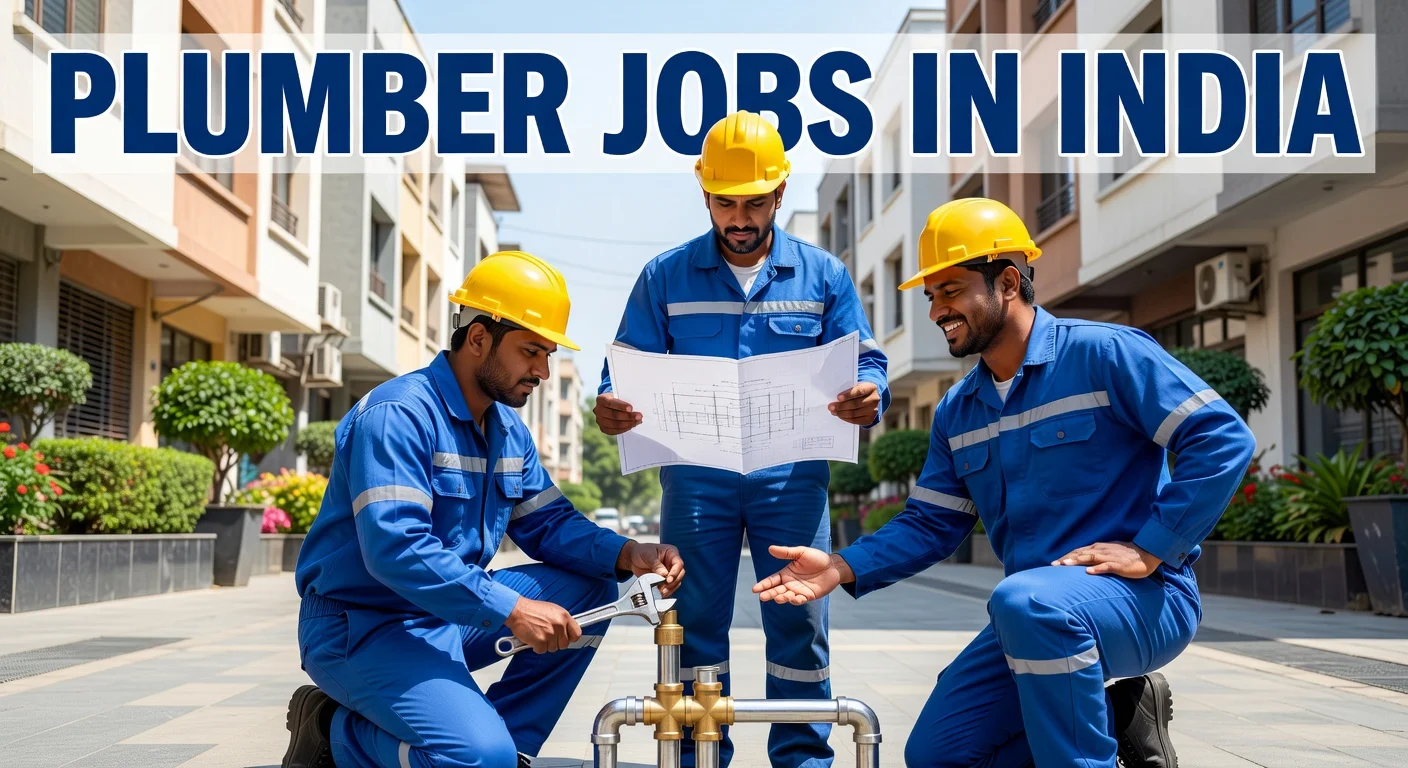
- Residential Plumbers: Focus on installing and maintaining plumbing systems in homes, including pipes, fixtures, and water heaters.
- Commercial Plumbers: Work on larger projects such as office buildings, malls, and industrial facilities, handling complex systems.
- Industrial Plumbers: Specialize in high-pressure systems and large-scale installations in factories and plants.
- Maintenance Plumbers: Provide repair and upkeep services for existing plumbing systems in various settings.
- Apprentice Plumbers: Entry-level roles for individuals learning the trade under the guidance of experienced professionals.
Qualifications and Skills Needed for Plumber Jobs
To secure a plumber job in South Africa, certain qualifications and skills are essential. While formal education isn’t always mandatory, having the right training can significantly boost your employability.
Formal Qualifications
- National Certificate in Plumbing (N1-N3): Offered by Technical and Vocational Education and Training (TVET) colleges, this certification provides foundational knowledge.
- Trade Test Certification: After completing an apprenticeship, plumbers must pass a trade test to become qualified artisans.
- Red Seal Endorsement: A recognized qualification that certifies a plumber’s competence and allows them to work independently.
Essential Skills
- Problem-solving and critical thinking for diagnosing plumbing issues.
- Physical stamina and dexterity for handling tools and working in confined spaces.
- Customer service skills for interacting with clients, especially in residential plumbing.
- Knowledge of safety regulations and building codes.
Salary Expectations for Plumbers in South Africa
Plumber salaries in South Africa vary based on experience, location, and specialization. On average, entry-level plumbers earn between R8,000 and R12,000 per month. With a few years of experience, this can increase to R15,000–R25,000 monthly. Highly skilled or specialized plumbers, especially those in industrial or commercial sectors, can earn upwards of R30,000 per month.
Freelance or self-employed plumbers often have the potential to earn more, depending on their client base and the scope of projects they undertake. Additionally, plumbers in urban areas like Johannesburg, Cape Town, and Durban tend to earn higher wages compared to those in rural regions.
How to Find Plumber Jobs in South Africa
Finding plumber jobs in South Africa requires a strategic approach. Here are some actionable tips to help you land a role:
- Online Job Portals: Websites like Indeed, CareerJunction, and PNet regularly list plumbing vacancies across the country.
- Networking: Connect with industry professionals through social media platforms like LinkedIn or local trade associations.
- Apprenticeships: Many companies offer on-the-job training programs for aspiring plumbers, providing a pathway to full-time employment.
- Local Classifieds: Check community boards and newspapers for small businesses or contractors seeking plumbing help.
- Register with Agencies: Recruitment agencies specializing in construction and trades can match you with suitable employers.
Challenges and Opportunities in the Plumbing Industry
While plumber jobs offer stability and growth, there are challenges to consider. The physical demands of the job can be taxing, and working in extreme weather conditions or tight spaces is common. Additionally, competition can be stiff in urban areas, requiring plumbers to continuously upskill or specialize to stand out.
On the flip side, opportunities abound. The push for sustainable water management and green technologies has opened doors for plumbers trained in eco-friendly systems. Moreover, entrepreneurship is a viable option, with many plumbers starting their own businesses after gaining experience.
Conclusion: Building a Career in Plumbing in South Africa
Plumber jobs in South Africa offer a rewarding career path for those willing to invest in training and skill development. With a growing demand for skilled tradespeople, now is an excellent time to enter the industry or advance your career. Whether you’re looking for steady employment or aiming to start your own plumbing business, the opportunities are plentiful. Start by gaining the necessary qualifications, building your network, and exploring job listings to kickstart your journey in this essential trade.